This shift matters because most paid search platforms depend heavily on machine-learning systems to manage auctions at scale. Understanding where manual PPC optimization still adds value helps businesses avoid wasted spend while maintaining control over performance.
Manual PPC in the Pre-AI Days
In the earlier days of PPC advertising, performance depended on hands-on control. Advertisers manually adjusted bids, refined keyword match types, paused poor performers, and monitored placements closely. Campaigns stayed smaller with limited data signals, keeping changes at a manageable pace.
Manual bidding allowed advertisers to react to visible trends. Budgets were increased when performance improved and reduced when results dropped. This approach depends on frequent monitoring and human interpretation of data.
As platforms expanded and auctions became more complex, this level of human management of paid advertisement became harder to sustain. Decisions began to require faster responses and consideration of more variables than humans could accurately process in real time.
Why AI Now Handles Most PPC Adjustments
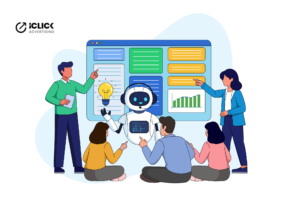
Automation entered paid search advertising to address scale and speed. Modern ad auctions involve many signals that change constantly and influence results in real time, such as:
- Device type and usage context
- Location and time-based intent
- Search behaviour and engagement patterns
These factors interact at the moment of the auction, making manual decision-making impractical at scale.
AI-powered PPC campaigns use machine-learning systems to process these signals instantly. This allows bidding and targeting decisions to be made across thousands of auctions at the same time. PPC automation is built to handle this level of complexity rather than eliminate human involvement.
However, automation performs best when it is guided properly. Without clear direction and the right checks in place, AI can end up driving surface-level outcomes rather than real business value. This is where manual oversight and strategic input continue to play an essential role.
What Manual Optimization Means Today

Manual PPC optimization no longer means adjusting bids every day. It now focuses on shaping how automation behaves. Instead of managing each action, advertisers manage the system that makes those actions.
This shift places responsibility on humans to define success, control quality, and make strategic decisions. AI handles execution, but humans decide direction.
In an AI-driven PPC optimization setting, manual work becomes less visible but more important.
Where Human Control Still Matters Most
Defining Lead and Traffic Quality
AI optimizes toward what it is told to value. If conversions are poorly defined, automation will pursue low-quality outcomes. Humans must define what qualifies as a meaningful lead or sale.
This includes reviewing lead intent, checking conversion relevance, and identifying patterns that indicate wasted spend. Quality control protects budgets and improves long-term performance across both manual and automated PPC campaigns.
Improving the Inputs AI Learns From
Automation operates on data to make decisions, but the quality of those decisions depends on what the system is given to learn from. Elements such as landing page structure, offer clarity, and how conversion actions are defined all influence how success is interpreted.
When these inputs lack consistency or intent, performance becomes unstable. Manual involvement now focuses on strengthening these signals by ensuring ads align clearly with landing pages, messaging matches user expectations, and tracking reflects real business outcomes. Over time, this guidance allows automated systems to optimize with greater accuracy and consistency.
Making Strategic Decisions, AI Cannot
Automation operates within defined parameters, but it lacks an understanding of broader business priorities. It cannot judge which services are strategically important, which leads to long-term revenue, or how short-term performance supports wider growth goals.
Human involvement is essential for guiding budget allocation and making informed decisions about scale and direction. Knowing when to expand campaigns, when to slow spending, and when to shift focus based on business objectives requires context and judgment. This balance between automation and human oversight defines how human vs AI in pay-per-click decision-making works in practice.
How Automation and Human Oversight Will Shape the Future of PPC Advertising
The future of PPC advertising will be driven by automation, but it will not operate in isolation. As platforms continue to expand machine-learning capabilities, human involvement shifts toward oversight and strategic control rather than day-to-day execution.
Manual optimization now plays a guiding role. Instead of adjusting bids or targeting directly, humans focus on measurement accuracy, lead quality, and alignment with business goals. These inputs determine how automated systems learn and what outcomes they prioritize. Without this guidance, PPC automation trends can lead to inefficient or misaligned performance.
AI systems work with data patterns, not business context. They do not understand brand positioning, customer lifetime value, or shifting priorities unless these are reflected in campaign structure and tracking. Even as AI shapes paid search advertising, human judgment still plays a key role.
Strong PPC performance comes from balance. Automation delivers speed and scale, while humans maintain relevance and long-term value.
FAQs
How should businesses evaluate PPC performance in an automated setup?
In an automated setup, performance should be evaluated beyond surface metrics like clicks or cost per conversion. Businesses should review lead relevance alongside post-conversion behavior and paid traffic’s true revenue impact. This helps ensure automation is optimizing for outcomes that matter, not just platform-defined success signals.
Does automation change how long paid campaigns need to stabilize?
Yes. Automated campaigns often require longer stabilization periods compared to manual setups. Because systems learn from data patterns, performance may fluctuate early on. Allowing enough time for learning helps avoid premature changes that can reset optimization progress.
Are smaller advertisers at a disadvantage with PPC automation?
Not necessarily. Automation can benefit smaller advertisers by handling complex auction decisions without large teams. However, smaller budgets require clearer goals and tighter tracking to ensure automated systems learn from meaningful data rather than noise.
How important is conversion tracking accuracy in AI-led PPC campaigns?
Conversion tracking accuracy is critical. Automated systems rely heavily on conversion data to make decisions. Incorrect or overly broad tracking can mislead optimization, causing spend to be directed toward low-value actions instead of genuine business outcomes.
Will future PPC platforms offer more AI control or less?
The trend suggests more transparency rather than less control. As automation increases, platforms are gradually introducing clearer reporting and diagnostic tools. This allows advertisers to understand performance drivers while still benefiting from automated execution.
Conclusion
As automation reshapes paid search, success depends on how well technology and judgment work together. AI-driven PPC optimization brings speed and scale, but meaningful results still rely on clear goals, accurate tracking, and informed oversight. Businesses that focus on guiding automation rather than reacting to it are better positioned for long-term performance. By aligning strategy with intelligent systems, advertisers can maintain control without limiting growth.